
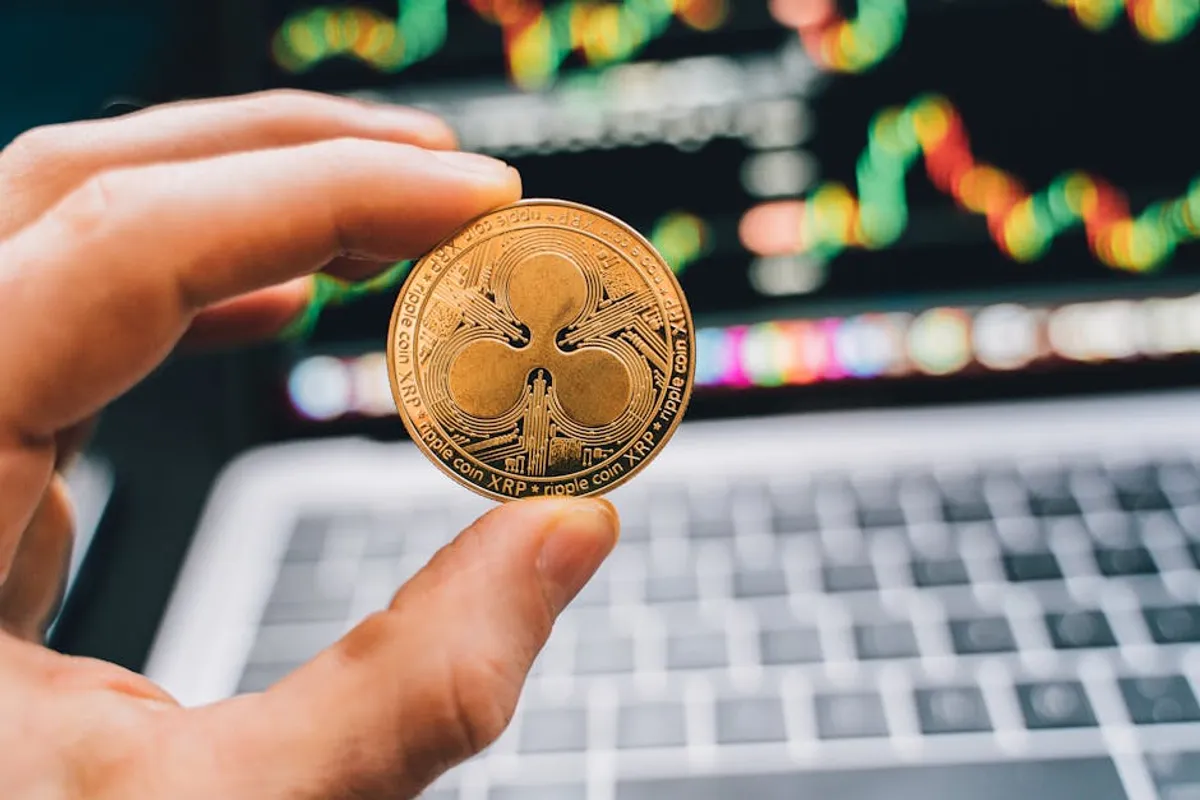
XRP, as a digital asset, functions primarily as a bridge currency designed to facilitate rapid, low-cost cross-border payments on RippleNet, a blockchain-based payment network developed by Ripple Labs. Its unique position in the cryptocurrency market stems from this specific utility, aiming to serve financial institutions and payment providers rather than solely individual investors or decentralized applications. Understanding XRP requires evaluating its technological foundation, its operational ecosystem, and the external factors that continually shape its valuation and future trajectory.
The asset’s price is influenced by a confluence of market forces, regulatory developments, and its adoption rate within the global financial infrastructure. For stakeholders assessing XRP, a clear perspective on its current market standing, potential growth drivers, inherent risks, and observable market signals is essential for informed decision-making. This analysis aims to provide that framework, moving beyond speculative narratives to focus on concrete data and operational realities.
XRP's Operational Framework and Market Role
XRP is distinct from many other cryptocurrencies. It is not mined in the traditional sense; all 100 billion XRP were pre-mined by Ripple, with a significant portion held in escrow to manage supply and ensure stability. Its consensus mechanism, the XRP Ledger Consensus Protocol, allows for transaction validation in seconds, a key differentiator for its intended use case in high-speed payments.
Primary Utility: XRP serves as an intermediary asset in Ripple’s On-Demand Liquidity (ODL) service. ODL allows financial institutions to send money across borders instantly, without pre-funding destination accounts, by using XRP as a bridge between fiat currencies. This reduces operational costs and settlement times, addressing a long-standing inefficiency in traditional correspondent banking.
The value proposition for XRP is directly tied to the adoption and efficiency of RippleNet and its ODL product. As more financial institutions integrate Ripple’s solutions for cross-border transactions, the demand for XRP as a liquidity tool theoretically increases, impacting its market price.
Price Dynamics and Core Influencers
XRP's price movements are complex, reflecting both broader cryptocurrency market trends and specific factors related to its ecosystem. Key drivers include:
- Supply Management: Ripple periodically releases XRP from escrow, a process designed to be predictable and transparent. These releases, and the subsequent sales or re-escrowing of XRP, directly impact the circulating supply.
- Regulatory Developments: The ongoing legal proceedings involving Ripple and the U.S. Securities and Exchange Commission (SEC) have been a dominant factor. Rulings and legal updates significantly sway market sentiment and price, reflecting uncertainty or clarity regarding XRP's classification and future in key markets.
- Partnerships and Adoption: Announcements of new partnerships with financial institutions, payment providers, or central banks utilizing Ripple’s technology often correlate with positive price movements, signaling increased utility and demand.
- Macroeconomic Conditions: Like other digital assets, XRP is not immune to broader economic shifts. Inflation rates, interest rate decisions by central banks, and global economic stability can influence investor appetite for risk assets, including cryptocurrencies.
- Overall Crypto Market Sentiment: XRP’s price often tracks the general direction of the wider cryptocurrency market, particularly movements in Bitcoin and Ethereum, due to interconnected trading behaviors and investor sentiment.
Outlook: Potential Growth Vectors
The future outlook for XRP hinges on several potential catalysts that could drive increased adoption and utility:
Resolution of Legal Challenges
A definitive resolution to the SEC lawsuit, particularly one favorable to Ripple, could remove a significant overhang that has constrained XRP’s growth and institutional adoption in the United States. Such clarity could open doors for relisting on major exchanges and renewed institutional interest.
Expansion of On-Demand Liquidity (ODL)
Continued expansion of Ripple’s ODL corridors globally, especially into new and emerging markets where traditional banking infrastructure is less efficient, would directly increase the demand for XRP as a liquidity tool. Each new corridor represents a potential increase in transaction volume and utility.
Central Bank Digital Currencies (CBDCs)
Ripple has positioned itself as a technology partner for central banks exploring CBDC solutions. Successful collaborations in this area could integrate Ripple's technology, and potentially XRP, into national digital currency frameworks, providing a substantial new utility pathway.
Key Risks for Consideration
Despite its potential, XRP faces several notable risks:
Regulatory Uncertainty
Beyond the SEC case, the global regulatory landscape for cryptocurrencies remains fragmented and evolving. Adverse regulatory actions in other major jurisdictions could impact XRP’s market access and operational scope.
Market Competition
The cross-border payments sector is competitive, with traditional players, other blockchain-based solutions, and stablecoins all vying for market share. XRP’s sustained relevance depends on its ability to maintain a competitive advantage in speed, cost, and reliability.
Centralization Concerns
Ripple holds a significant portion of the total XRP supply in escrow, leading to concerns about centralization and potential market manipulation. While Ripple maintains that these holdings are managed transparently, it remains a point of scrutiny for some investors.
Warning: The inherent volatility of the cryptocurrency market means that XRP's price can experience rapid and substantial fluctuations. Stakeholders should conduct thorough due diligence, understand their risk tolerance, and consider the long-term fundamentals rather than short-term speculative movements.
Interpreting Market Signals
Monitoring specific market signals can offer insights into XRP’s short-to-medium term trajectory:
Trading Volume and Liquidity
High trading volumes often indicate strong market interest and can precede significant price movements, either upward or downward. Consistent liquidity across multiple exchanges is also a positive indicator of market health.
Social Sentiment and News Flow
Public discourse on social media, industry news outlets, and official announcements from Ripple Labs can quickly shift market sentiment. Positive news regarding partnerships, product launches, or legal milestones often correlates with increased buying pressure.
On-Chain Metrics
Analyzing on-chain data, such as the number of active XRP Ledger addresses, transaction counts, and the movement of large XRP holdings (often referred to as 'whale' movements), can provide insights into network activity and potential shifts in supply dynamics.
Ripple's Quarterly Reports
Ripple regularly publishes market reports detailing XRP sales, ODL transaction volumes, and ecosystem developments. These reports offer transparent data points on the asset's utility and adoption, which are crucial for fundamental analysis.
Navigating the XRP Landscape
For any entity considering involvement with XRP, a disciplined approach is paramount. Focus on the project's core utility in solving real-world problems within cross-border payments. Evaluate Ripple's strategic partnerships and its progress in expanding ODL corridors. Critically assess regulatory developments, as these have historically been the most impactful external factor on XRP's valuation.
Understanding the interplay between technological advancement, market adoption, and the evolving regulatory environment provides a more robust foundation for assessing XRP's commercial viability and future prospects than relying on speculative price predictions alone. Long-term value is likely to be driven by utility and regulatory clarity, not merely market hype.
Frequently Asked Questions
What is XRP's primary purpose?
XRP is primarily designed to facilitate fast, low-cost cross-border payments by serving as a bridge currency within Ripple's On-Demand Liquidity (ODL) service, enabling financial institutions to transfer value globally without pre-funding accounts.
How does XRP differ from Bitcoin?
XRP was pre-mined by Ripple and uses a unique consensus protocol for transaction validation, resulting in faster and cheaper transactions. Bitcoin, in contrast, is decentralized and mined, using a Proof-of-Work consensus mechanism, primarily serving as a store of value and a medium of exchange.
What is the significance of the SEC lawsuit for XRP?
The SEC lawsuit questions whether XRP should be classified as a security in the United States. The outcome is significant because it will provide regulatory clarity for XRP's status, impacting its trading on U.S. exchanges and its adoption by institutions within the country.
How does Ripple manage XRP's supply?
Ripple manages XRP's supply through a system of escrow accounts. A large portion of the total XRP supply is held in these accounts, with a defined schedule for monthly releases, which helps to maintain predictability and transparency in the circulating supply.